


- Tel: +86 18861589035
- E-mail: zhulin@zozen.com
- Production Base: No.76 Xinda Rd.,Zhoutie Town, Yixing City, Jiangsu Province, China.
- Customer Service Center: No. 777 Jianzhu West Road, Binhu District, Wuxi, China.
- +86 18861589035
- zhulin@zozen.com

- Home
-
Products
- Oil/Gas Fired Boiler 1. WNS series gas-fired (oil-fired) steam boiler 2. SZS series gas-fired (oil-fired) steam boiler 3. WNS series gas-fired (oil-fired) hot water boiler 4. SZS series gas-fired (oil-fired) hot water boiler 5. DHS series medium temperature medium pressure gas-fired (oil-fired) boiler
- Coal Fired Boiler 1. SZL series coal-fired steam boiler 2. DZL series coal-fired steam boiler 3. DHL series coal-fired steam boiler 4. SZL series coal-fired hot water boiler 5. DZL series coal-fired hot water boiler 6. DHL series coal-fired hot water boiler 7. SHL series double drum bulk chain grate boiler
- Biomass Fired Boiler 1. DZL series biomass-fired steam boiler 2. SZL series biomass-fired steam boiler 3. DZL series biomass-fired hot water boiler 4. SZL series biomass-fired hot water boiler 5. DHL series biomass corner tube chain grate hot water boiler 6. SHL series biomass bulk chain grate steam boiler
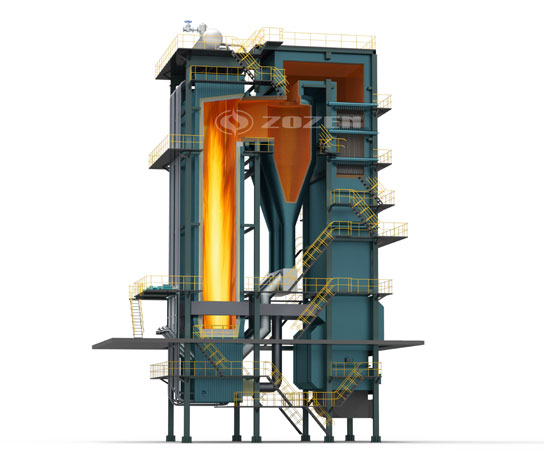
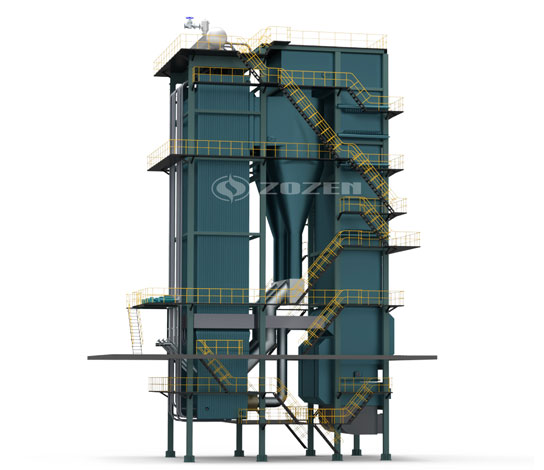
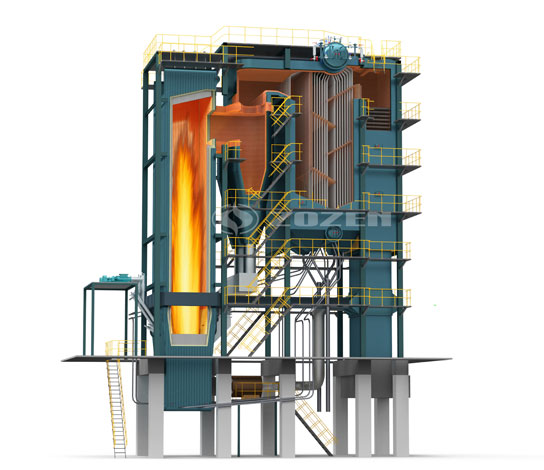
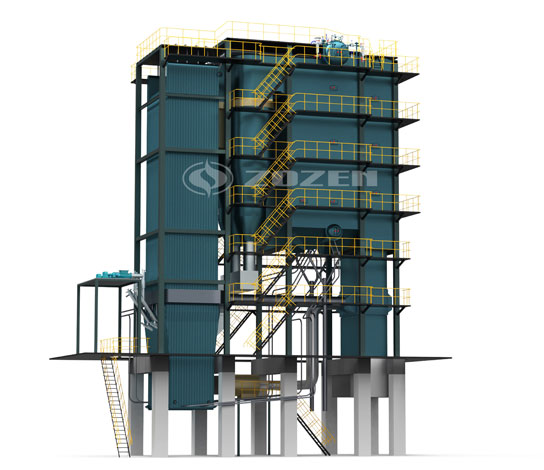
- CFB(circulating fluidized bed) Boiler 1. SHX series CFB steam boiler 2. SHX series CFB hot water boiler 3. DHX series CFB steam boiler 4. QXX series CFB hot water boiler
- Thermal Fluid Heaters 1.YLW series coal-fired thermal fluid heater 2. YQL series gas-fired thermal fluid heater 3. YQW series gas-fired horizontal thermal fluid heater 4. RYQ series molten salt heater
- Application
- About Us
- Case
- Services
- News
- Contact Us


